
When ants march across your kitchen counter or you hear scratching in the walls at night, the first question that comes to mind is usually: should I tackle this myself or call in the pros? Both DIY pest control and professional extermination have their place, and choosing the right approach can save you time, money, and unnecessary stress. Let's explore when rolling up your sleeves makes sense and when it's wiser to pick up the phone.
DIY Pest Control: When It Works and When It Doesn't
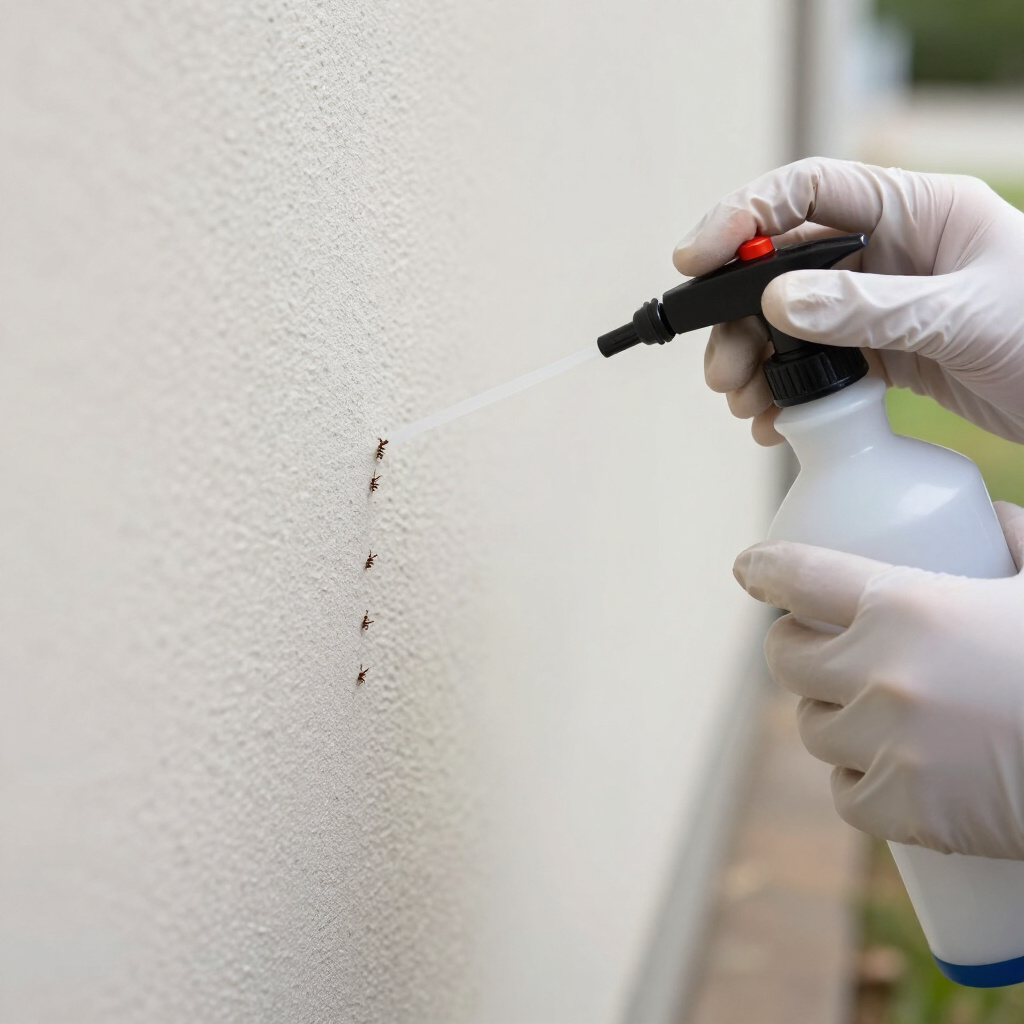
DIY pest control can be surprisingly effective for minor, straightforward problems. A trail of sugar ants in spring, a single wasp nest that's easily accessible, or the occasional spider in the basement—these are scenarios where store-bought solutions often do the trick. Baits, sprays, and traps available at your local hardware store are formulated for common household pests and can provide quick relief when used correctly.
The real appeal of DIY methods is immediacy and cost. You can address the problem today without scheduling appointments or paying service fees. For vigilant homeowners who catch issues early, this proactive approach prevents small invasions from becoming full-blown infestations.
However, DIY pest control has clear limitations. Misidentifying a pest is incredibly common and leads to ineffective treatment. That "ant" problem might actually be termites. The spray you're using might repel pests deeper into your walls rather than eliminating them. Many over-the-counter products also lack the residual power of professional-grade treatments, meaning pests return within weeks.
Safety concerns deserve attention too. Improper application of pesticides around children, pets, or food preparation areas creates health risks. Without training in integrated pest management principles, DIYers often over-apply chemicals or use the wrong products entirely.
Hiring a Professional: Expertise That Pays for Itself
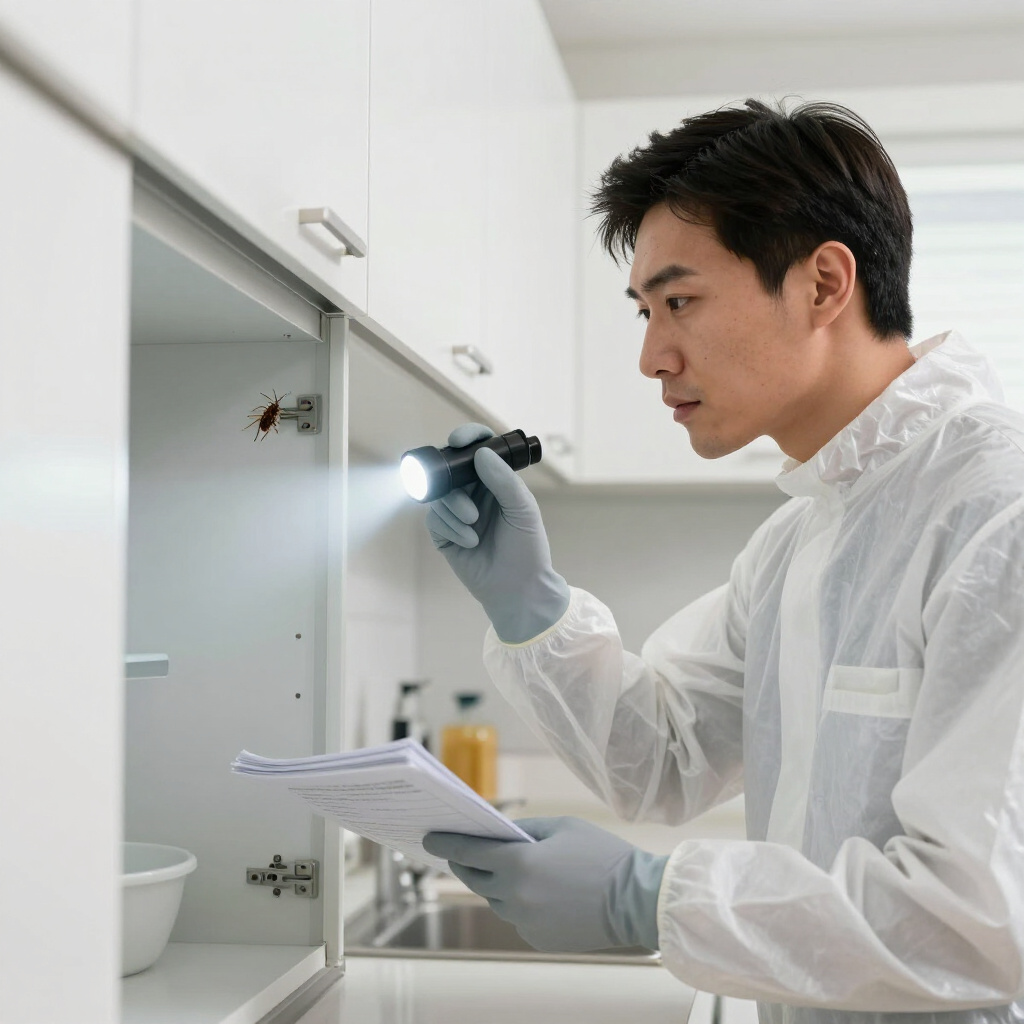
Professional pest control technicians bring something invaluable to the table: comprehensive knowledge built through training and field experience. They accurately identify pests, understand their biology and behavior, and target treatments precisely where they're needed. This expertise matters enormously when dealing with elusive or destructive pests like bed bugs, termites, rodents, or carpenter ants.
Professionals also access tools and products unavailable to consumers. These aren't necessarily "stronger" chemicals—often they're more sophisticated formulations that work differently, with better targeting and longer-lasting effects. Many companies now emphasize integrated pest management, combining biological controls, physical barriers, and minimal chemical intervention for safer, more sustainable results.
The diagnostic skill professionals offer is frequently underestimated. A good technician doesn't just treat what you see; they investigate why pests are present. Moisture issues, structural entry points, landscaping problems, and sanitation habits all contribute to infestations. Addressing these root causes prevents recurrence in ways that spraying alone never will.
Guarantees and follow-up support represent another significant advantage. Reputable companies stand behind their work, returning at no charge if pests persist. This accountability simply doesn't exist with DIY approaches.
Key Tips for Making the Right Choice
Deciding between DIY pest control and hiring a professional becomes clearer when you consider several practical factors. Start with honest assessment of the problem's scope. One or two mice? A DIY approach with proper snap traps and exclusion work may suffice. Scratching in multiple walls, droppings in several rooms, or any signs of nesting? Professional intervention is warranted.
Consider the pest type carefully. General nuisance insects often respond to DIY methods. Wood-destroying organisms, disease vectors, rapidly reproducing species, or anything causing structural damage demands professional expertise. Bed bugs specifically require professional treatment in virtually all cases—their resilience and hiding capabilities make DIY approaches nearly always futile.
Evaluate your own comfort level and available time honestly. Effective DIY pest control requires research, careful product selection, precise application, and diligent monitoring. If you're already overwhelmed or squeamish about handling pests, professional service reduces stress considerably.
When selecting a professional, verify licensing through your state regulatory agency, check reviews from multiple sources, and obtain detailed written estimates. Ask specifically about their treatment philosophy, guarantee terms, and whether they offer ongoing maintenance programs versus one-time services.
For committed DIYers, invest time in proper identification before any treatment. Your local cooperative extension service offers excellent resources. Always read product labels completely—these are legal documents with specific instructions for safe, effective use. Start with the least toxic options and escalate only when necessary.
Final Thoughts
Neither DIY pest control nor professional service is universally superior. The right choice depends entirely on your specific situation—the pest involved, infestation severity, your capabilities, and your priorities. Minor, well-defined problems often yield to thoughtful DIY approaches. Complex, persistent, or potentially damaging infestations merit professional expertise without hesitation.
Perhaps the most valuable perspective is recognizing these approaches aren't mutually exclusive. Many homeowners successfully handle routine maintenance and minor issues themselves while establishing relationships with trusted professionals for periodic inspections or serious problems. This balanced strategy provides confidence, control, and peace of mind—the ultimate goal in keeping your home comfortable and pest-free.