

There's something about spotting a spider scurrying across your living room floor that makes even the calmest among us reach for a shoe. While spiders play a valuable role in nature by controlling insect populations, most of us prefer they do their work outdoors. The good news? Keeping spiders out of your house is entirely achievable with the right combination of prevention, maintenance, and smart home practices. Whether you're dealing with occasional visitors or what feels like an eight-legged invasion, this guide will walk you through practical, proven strategies to make your home far less appealing to these uninvited guests.
How to Keep Spiders Out of Your House by Sealing Entry Points
Spiders are masters of finding their way inside through gaps and cracks you'd never notice. Start your defense by conducting a thorough inspection of your home's exterior. Pay special attention to areas where utilities enter—pipes, cables, and vents create natural pathways that spiders exploit.
Weatherstripping around doors and windows wears down over time, creating easy access points. Replace damaged strips and install door sweeps if you notice gaps beneath exterior doors. For smaller cracks and crevices, silicone caulk works wonders. Don't forget to check screens for tears and repair or replace them promptly. Even a tiny hole is large enough for many common household spiders to squeeze through.
Foundation cracks deserve special attention. Walk around your home's perimeter and seal any gaps with appropriate masonry caulk. Where larger gaps exist around pipes, consider using steel wool combined with caulk—this combination blocks spiders effectively while remaining durable against weather.
Reduce the Spider Food Supply Inside Your Home
Spiders don't enter your home for shelter alone; they follow their prey. An abundance of flying insects, ants, or other small bugs creates an irresistible buffet that encourages spiders to stay and even multiply. Solving your insect problem directly reduces spider activity.
Keep kitchen counters clean and store food in sealed containers. Take garbage out regularly and use bins with tight-fitting lids. Address moisture issues promptly—leaky faucets and damp basements attract both insects and the spiders that hunt them. Consider yellow-toned or sodium vapor outdoor lighting, as these attract fewer flying insects than standard white bulbs, reducing the insect population near entry points.
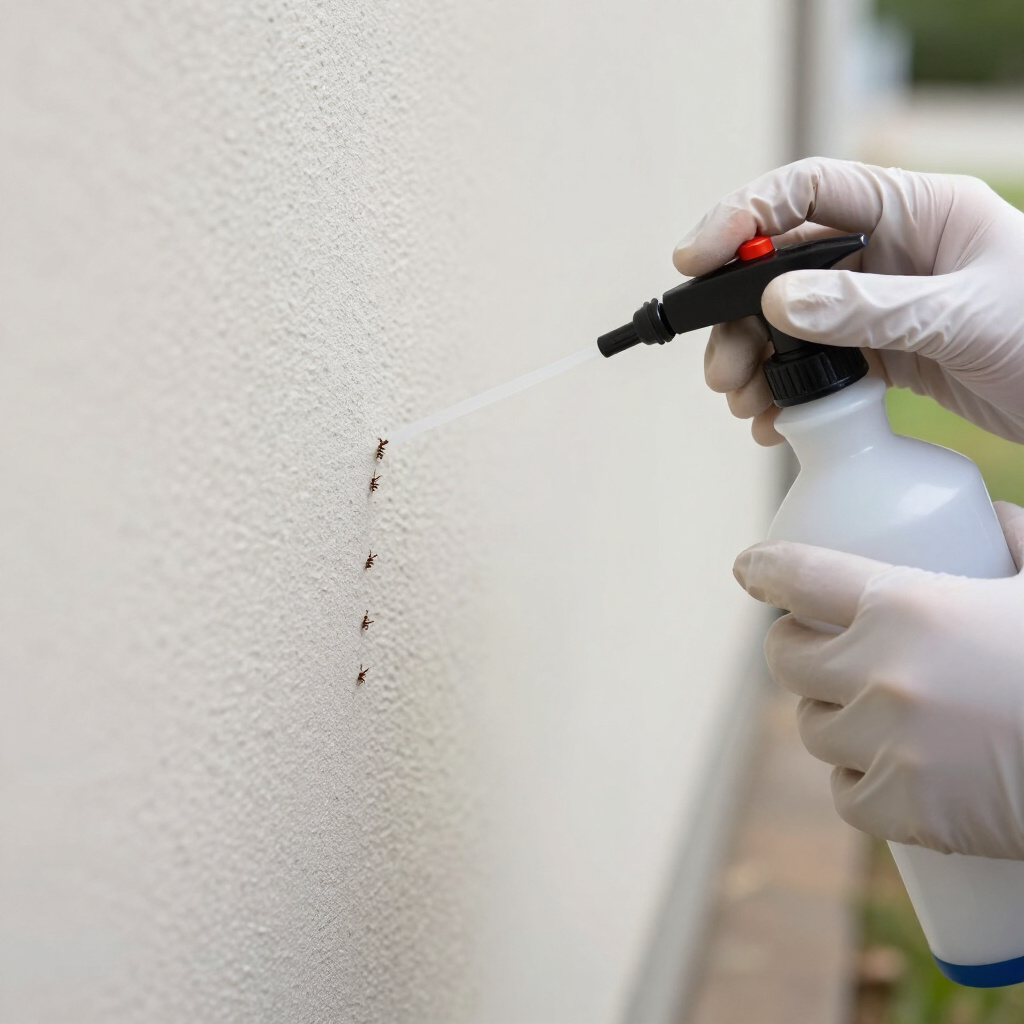
Regular pest control maintenance, whether DIY or professional, interrupts the food chain that sustains spider populations. When insects disappear, spiders naturally relocate to more productive hunting grounds.
Modify Your Home's Exterior Environment
The landscape surrounding your home significantly influences spider presence indoors. Vegetation touching your house creates natural bridges that spiders use to bypass ground-level defenses entirely. Trim shrubs, tree branches, and climbing vines to maintain at least a foot of clearance from walls and rooflines.
Firewood piles, compost bins, and rock walls provide ideal spider habitat. Relocate these features at least twenty feet from your foundation if possible. Leaf litter and dense mulch near the house offer similar shelter—consider thinner mulch layers and regular cleanup in foundation-adjacent areas.
Outdoor lighting placement matters more than most realize. Position lights away from doors and windows, shining toward the house rather than mounting directly on it. This draws insects—and hunting spiders—away from entry points rather than concentrating them at access areas.
Key Tips for Indoor Spider Prevention
Once you've addressed exterior factors, focus on making your interior unwelcoming to any spiders that do find their way inside. Decluttering is essential—spiders thrive in undisturbed spaces with plentiful hiding spots. Regularly clean behind furniture, in closets, and in storage areas. Cardboard boxes, in particular, attract both insects and spiders; switch to sealed plastic containers for long-term storage.
Vacuuming serves double duty by removing both spider webs and egg sacs. Pay attention to corners, ceiling junctions, window frames, and beneath furniture. When you spot a web, remove it promptly. Without a web, a spider must either rebuild expending significant energy or move elsewhere.
Essential oils have gained popularity as spider deterrents, with peppermint, tea tree, and eucalyptus receiving particular attention. While scientific evidence remains limited, many homeowners report success mixing fifteen to twenty drops of peppermint oil with water in a spray bottle, applying to baseboards, window sills, and known entry points. Reapplication every few days maintains the scent barrier.
Natural diatomaceous earth sprinkled in hidden areas like beneath appliances can also deter crawling insects and spiders, though it requires dry conditions to remain effective. Use food-grade products if pets or children might contact treated areas.
When to Consider Professional Help
Sometimes DIY efforts need reinforcement. If you're noticing multiple spiders daily, finding egg sacs regularly, or dealing with potentially dangerous species, professional pest control provides targeted solutions. Experts identify specific spider species and customize treatment approaches accordingly.
Professionals can also spot structural vulnerabilities homeowners miss and apply appropriate treatments in hard-to-reach areas. For homes with persistent spider problems despite consistent prevention efforts, quarterly maintenance programs offer ongoing protection and peace of mind.
Final Thoughts
Learning how to keep spiders out of your house successfully requires patience and consistency rather than a single dramatic action. The most effective approach combines multiple strategies: sealing access points, eliminating food sources, modifying exterior habitat, and maintaining clean, clutter-free interior spaces. No method works in isolation, but together they create a comprehensive defense that makes your home genuinely inhospitable to spiders.
Start with the highest-impact changes—sealing entry points and reducing insects—then layer in additional tactics as needed. Remember that complete spider elimination isn't realistic or even desirable outdoors, but keeping them outside where they belong is absolutely achievable. With these practices in place, you can enjoy your home without unexpected eight-legged encounters.