
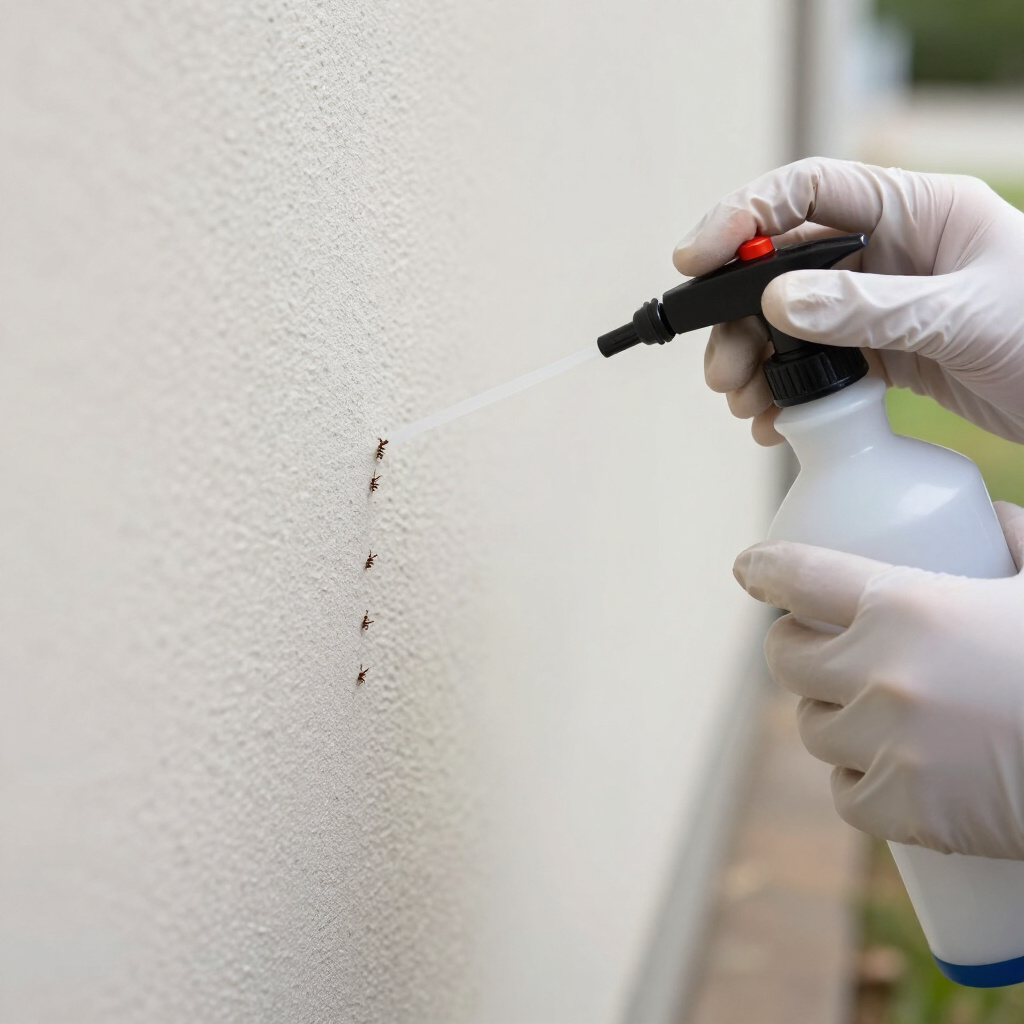

There's nothing quite like the sinking feeling of spotting a trail of ants marching across your kitchen counter. One day your home feels pristine, and the next, these tiny invaders have established a highway from your yard straight to your sugar bowl. The good news? Preventing an ant invasion is far easier than evicting an established colony. With a few smart habits and some strategic home maintenance, you can keep your living spaces blissfully ant-free year-round.
How to Prevent Ants From Invading Your Home With Smart Food Storage
Ants are relentless foragers, and your kitchen is their promised land. The single most effective step you can take is eliminating their access to food sources. Start by transferring pantry staples into airtight containers—glass jars with rubber seals, heavy-duty plastic bins with locking lids, or stainless steel canisters all work beautifully. Cardboard boxes and paper bags are no match for determined ants, who can chew through flimsy packaging and detect food scents from surprising distances.
Don't overlook less obvious attractants. Pet food bowls left out overnight are a buffet invitation, so consider feeding your pets on a schedule and removing uneaten portions promptly. Clean your toaster crumb tray regularly, wipe down sticky syrup bottles, and store ripe fruit in the refrigerator rather than on the counter. Even the residue inside your garbage disposal can draw scouts, so run it with plenty of water and a dash of dish soap after each use.
Your cleaning routine matters more than you might think. Sweeping after meals, wiping counters with vinegar solution, and promptly addressing spills denies ants the scent trails they depend on to recruit nest-mates. Remember: where one ant finds food, hundreds will follow within hours.
Seal Entry Points Before Scouts Find Them
Ants are remarkably resourceful when it comes to finding their way indoors. A crack in your foundation, a gap around a utility pipe, or worn weatherstripping beneath your door—all are highways for these persistent pests. Preventing ants from invading your home requires thinking like an ant and methodically blocking their routes.
Begin with a thorough exterior inspection during daylight. Walk slowly around your home's perimeter, examining where siding meets foundation, around windows and doors, and where electrical or plumbing lines penetrate walls. Pay special attention to areas near soil, mulch, or dense vegetation, as these harbor ant colonies that may be scouting your home.
Seal gaps with appropriate materials: silicone caulk for small cracks and gaps, expandable foam for larger voids, and weatherstripping or door sweeps for entry points. Steel wool stuffed into gaps before sealing adds extra protection against determined chewers. Don't forget often-overlooked access points like weep holes in brick veneer—these can be covered with fine mesh screens that allow ventilation while blocking invaders.
Indoors, check baseboards, window frames, and areas around pipes under sinks. Even tiny openings deserve attention; some ant species can squeeze through gaps just one millimeter wide.
Key Tips for Maintaining an Ant-Resistant Environment
Beyond the fundamentals of food storage and sealing entry points, several additional strategies significantly strengthen your defenses against ant invasions.
Manage moisture diligently. Ants need water, and leaky faucets, condensation pipes, or damp basements create ideal conditions. Repair dripping fixtures, improve ventilation in humid areas, and ensure your gutters direct water away from your foundation.
Landscape strategically. Keep mulch, firewood, and dense vegetation at least twelve inches from your home's exterior. These materials harbor ant colonies and provide bridges to your walls. Trim tree branches that touch or overhang your roof—carpenter ants and others use these as aerial highways directly into your attic.
Use natural deterrents thoughtfully. Diatomaceous earth sprinkled in dry, out-of-reach areas creates a physical barrier that damages ants' exoskeletons. Vinegar solutions disrupt scent trails when sprayed along known ant paths. Essential oils like peppermint, tea tree, or citrus can repel ants from specific areas, though they require frequent reapplication.
Address outdoor colonies proactively. If you notice large ant mounds near your foundation or along walkways, targeted treatment of these outdoor populations prevents future indoor problems. Boiling water poured directly into mound entrances can reduce colony numbers, though multiple treatments are typically needed.
Know when to call professionals. If you're seeing winged ants indoors, finding wood shavings near baseboards, or battling recurring invasions despite your best efforts, you may be dealing with a mature colony already established within your structure. Carpenter ants, in particular, require professional intervention to eliminate hidden nests and prevent structural damage.
Final Thoughts
Preventing ants from invading your home comes down to consistency rather than complexity. The habits that keep ants away—proper food storage, diligent cleaning, moisture control, and vigilant sealing of entry points—also contribute to a healthier, more comfortable home overall. Ants are patient opportunists, but they're not unstoppable. By removing what attracts them and blocking how they enter, you shift from reactive frustration to confident prevention. Start with one or two changes today, build from there, and enjoy the peace of mind that comes from knowing your home isn't on any ant's map.