
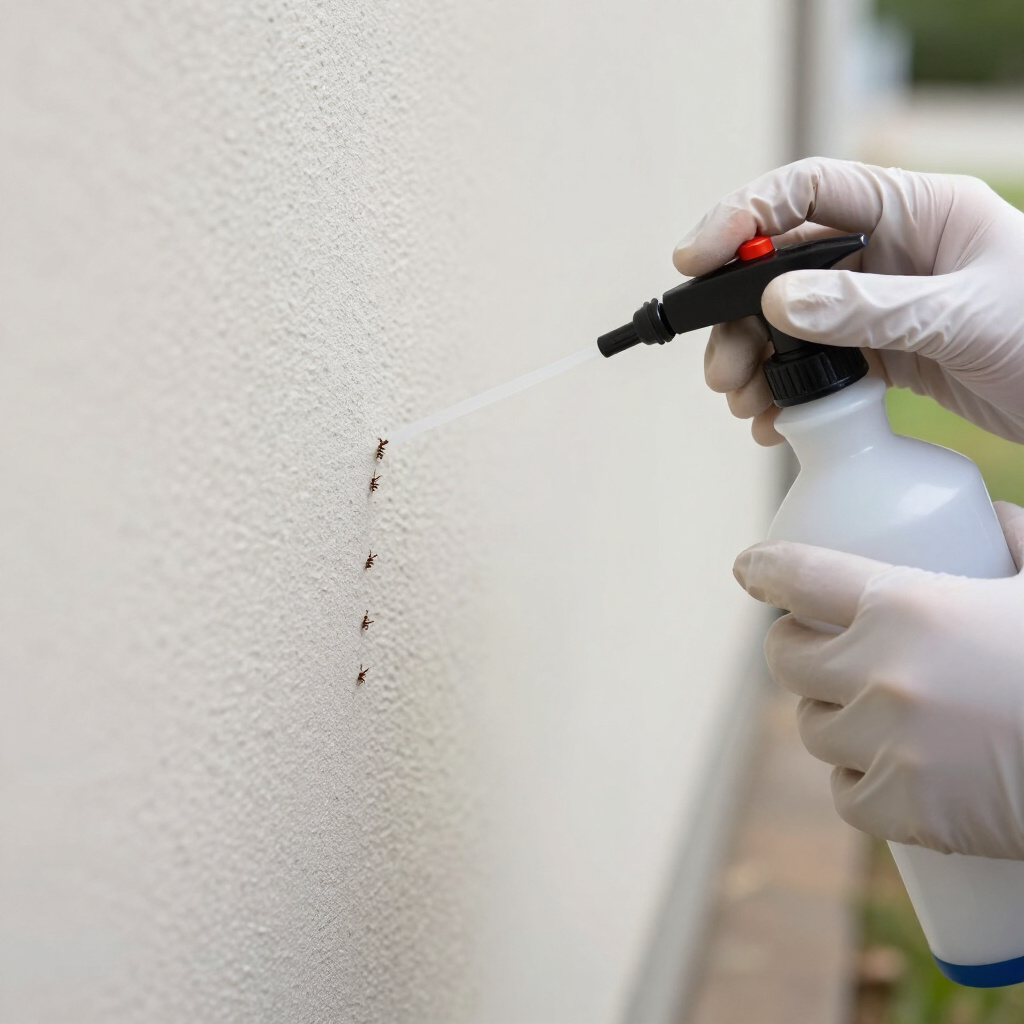

Few things disrupt the comfort of home quite like discovering unwanted guests scurrying across your kitchen floor or hearing mysterious scratching in your walls. Household pests aren't just unsettling—they can damage your property, contaminate food, and even pose health risks to your family. The good news? Most infestations are entirely preventable with the right knowledge and consistent habits. Whether you're dealing with a current problem or simply want to protect your home proactively, understanding which pests are most likely to invade and how to keep them out is your first line of defense.
Most Common Household Pests and How to Prevent Them
Every region has its own cast of problematic critters, but certain pests consistently top the list of homeowner complaints nationwide. Ants rank among the most frequent invaders, with carpenter ants and odorous house ants leading the charge. These tiny foragers exploit the smallest cracks in search of food and moisture, often establishing trails that seem impossible to break. Cockroaches present another persistent challenge, thriving in warm, humid environments and multiplying rapidly once they gain a foothold. Their nocturnal nature means infestations often grow substantially before detection. Rodents—particularly mice and rats—cause significant concern due to their destructive gnawing habits and disease-carrying potential. They squeeze through openings as small as a dime, making exclusion efforts critical. Termites operate silently, causing billions in structural damage annually before homeowners notice their presence. Meanwhile, spiders, though often beneficial predators, become pests when they establish dense populations indoors. Bed bugs have resurged dramatically in recent decades, hitchhiking home via luggage, furniture, and clothing. Finally, seasonal invaders like stink bugs, cluster flies, and boxelder bugs seek shelter indoors as temperatures drop, creating nuisance aggregations in wall voids and living spaces.
Prevention Strategies That Actually Work
Effective pest prevention rests on three foundational pillars: exclusion, sanitation, and moisture control. Exclusion involves physically blocking entry points. Inspect your home's exterior quarterly, paying special attention to gaps around utility penetrations, damaged door sweeps, window screens with tears, and foundation cracks. Caulk small openings, install steel wool in larger gaps rodents might exploit, and ensure vents are properly screened. Don't overlook your roofline—damaged soffits and uncapped chimneys provide direct highway access for wildlife and insects alike. Sanitation eliminates the food sources that attract and sustain pest populations. Store pantry items in airtight glass or thick plastic containers rather than original packaging. Clean crumbs and spills immediately, and avoid leaving pet food out overnight. Take garbage out regularly and use bins with tight-fitting lids. Reduce clutter throughout your home, as stacked cardboard, newspapers, and unused items create ideal harborage for many pests. Moisture control addresses another critical attractant. Repair leaky faucets, pipes, and appliances promptly. Ensure bathrooms and kitchens have adequate ventilation. Direct downspouts away from your foundation, and maintain proper grading to prevent water accumulation near your home. Consider using dehumidifiers in chronically damp basements or crawl spaces, as environments below 50% humidity become far less hospitable to moisture-loving pests like silverfish, cockroaches, and certain ant species.
Key Tips for Long-Term Protection
Consistency transforms occasional efforts into genuine protection. Most Common Household Pests and How to Prevent Them effectively requires integrating pest awareness into your regular home maintenance routine. Seasonal tasks matter significantly: spring calls for inspecting and repairing weather-stripping before insects become active; summer demands vigilant yard maintenance, keeping vegetation trimmed back at least 18 inches from your foundation and eliminating standing water that breeds mosquitoes; fall is prime exclusion season, as pests seek winter shelter; winter provides opportunity for thorough interior inspections when pest activity becomes more noticeable. Landscaping choices influence pest pressure substantially. Mulch provides excellent harborage—consider maintaining a gravel or stone barrier immediately adjacent to your foundation. Store firewood at least 20 feet from your home and elevate it off the ground. Remove fallen fruit promptly if you have ornamental or fruit-bearing trees. Be cautious about introducing secondhand furniture or mattresses into your home without careful inspection, particularly for bed bugs. When prevention falls short, early intervention prevents minor issues from becoming major infestations. Learn to recognize signs of common pests: rodent droppings, gnaw marks, or greasy rub marks along baseboards; termite mud tubes or discarded swarmer wings; cockroach egg cases or shed skins; ant trails or sawdust from carpenter ant activity. Addressing these warning signs promptly, whether through DIY methods or professional assistance, protects both your home and your peace of mind.
Final Thoughts
Protecting your home from pests isn't about achieving perfection—it's about building sustainable habits that reduce your property's attractiveness and accessibility to unwanted invaders. The investment you make in sealing entry points, maintaining cleanliness, and controlling moisture pays dividends in avoided damage, preserved property value, and the simple comfort of knowing your home truly belongs to your family alone. Start with one or two improvements this week, then build your prevention program systematically. Your future self, relaxing pest-free on a quiet evening, will thank you for the effort you begin today.