
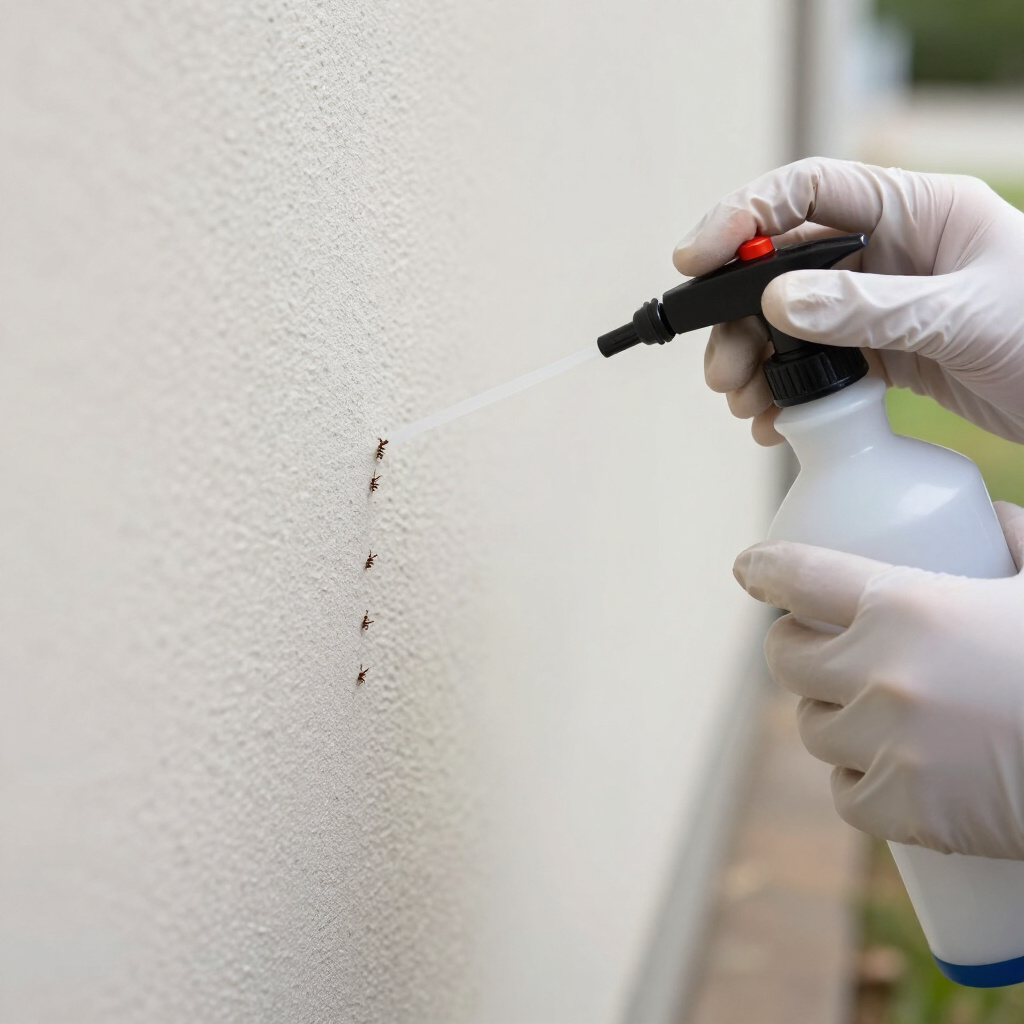

You're not alone if cringe at the thought of harsh chemicals lingering where your family lives, plays, and breathes. Whether you're tending a vegetable garden, protecting your home, or simply trying to keep ants from marching across your kitchen counter, natural pest control methods offer effective solutions that work with nature instead of against it. The good news? Many of these approaches aren't just gentler—they're often more sustainable and cost-effective over time. Let's explore proven strategies that deliver real results without the toxic trade-offs.
Natural Pest Control Methods That Actually Work in Your Garden
Your garden is an ecosystem, and healthy ecosystems naturally resist pest outbreaks. Start with companion planting, a time-tested technique that pairs plants strategically to confuse or repel unwanted insects. Marigolds release compounds from their roots that deter root-knot nematodes, while basil planted near tomatoes helps ward off flies and mosquitoes. Nasturtiums act as trap crops, drawing aphids away from your prized vegetables. Beneficial insects are your garden's unpaid security force. Ladybugs, lacewings, and parasitic wasps prey on aphids, caterpillars, and other destructive pests. Attract them by planting dill, fennel, yarrow, and other umbrella-shaped flowers. Avoid broad-spectrum insecticides that kill indiscriminately—these destroy the natural predators you need. For targeted intervention, insecticidal soaps and horticultural oils suffocate soft-bodied pests on contact without leaving harmful residues. Apply these in early morning or evening to avoid leaf burn, and always test on a small area first. Diatomaceous earth, made from fossilized aquatic organisms, works mechanically rather than chemically—its microscopic edges damage the exoskeletons of crawling insects like slugs, beetles, and earwigs. Reapply after rain or heavy dew.
Indoor Natural Pest Control That Keeps Your Home Protected
When pests breach your interior spaces, natural pest control methods that actually work focus on prevention, exclusion, and targeted treatments. Begin with the fundamentals: seal cracks around windows, doors, and utility penetrations with caulk or weatherstripping. Repair torn screens and install door sweeps. These simple barriers eliminate the entry points that invite ants, spiders, and rodents inside. Food storage matters enormously. Transfer pantry staples to airtight glass or metal containers. Clean crumbs promptly, manage pet food dishes, and take garbage out regularly. A spotless kitchen removes the attractions that sustain indoor pest populations. For active infestations, several natural approaches prove consistently effective. Boric acid and food-grade diatomaceous earth applied strategically along baseboards and in wall voids control ants, silverfish, and cockroaches through physical action rather than neurotoxic chemicals. Essential oils offer repellent properties—peppermint oil deters spiders and ants, while eucalyptus and tea tree oils discourage various crawling insects. Create a spray by mixing several drops with water and a small amount of castile soap, then apply to entry points and known pathways. Vinegar solutions disrupt ant trails by removing the pheromone markers they follow. For fruit flies, a simple trap of apple cider vinegar with a drop of dish soap proves remarkably effective. The soap breaks surface tension, causing attracted flies to sink rather than escape.
Key Tips for Maximizing Your Natural Pest Control Success
Natural methods require a shift in mindset from quick elimination to thoughtful management. Patience pays dividends. Biological controls and habitat modifications take time to establish but create lasting protection that chemical sprays cannot match. Identify your pest correctly before treating. What works for carpenter ants fails against pharaoh ants. Misidentification leads to wasted effort and continued problems. When in doubt, capture a specimen for professional identification or consult reliable extension resources. Combine multiple tactics for best results. Integrated Pest Management—using cultural, physical, biological, and least-toxic methods together—outperforms any single approach. In your garden, this means rotating crops, maintaining fertile soil, using row covers, releasing beneficial insects, and applying targeted treatments only when monitoring indicates threshold levels have been exceeded. Timing significantly impacts effectiveness. Apply diatomaceous earth when foliage is dry. Release beneficial insects near dusk when they're less active and more likely to establish. Set pheromone traps before pest populations peak to catch emerging adults. Finally, accept some pest presence as normal and even beneficial. A few aphids feed ladybug larvae. Minor leaf damage rarely threatens plant health. The goal is management, not sterile perfection—an approach that ultimately creates more resilient gardens and homes.
Final Thoughts
Natural pest control methods that actually work are neither mythical nor miraculously effortless. They demand observation, consistency, and willingness to work within natural systems rather than overriding them. The reward, however, is genuine: effective protection without compromising your health, your pets' safety, or the broader environment that sustains us all. Start with one or two strategies appropriate to your situation. Perhaps companion planting in your tomato bed this season, or sealing your home's perimeter before autumn temperatures drive pests indoors. Build your knowledge and confidence progressively. Many homeowners discover that natural approaches, once established, require less ongoing intervention than chemical-dependent routines because they address root causes rather than symptoms. Professional guidance remains valuable when infestations escalate beyond comfortable management. Reputable pest control services increasingly offer low-toxicity and botanical options as part of integrated programs. The key is choosing partners who respect your priorities and tailor solutions accordingly. Your efforts toward natural pest management contribute to something larger—reduced chemical runoff, protected pollinators, and healthier spaces for the people you care about. That's an outcome worth the thoughtful investment.