
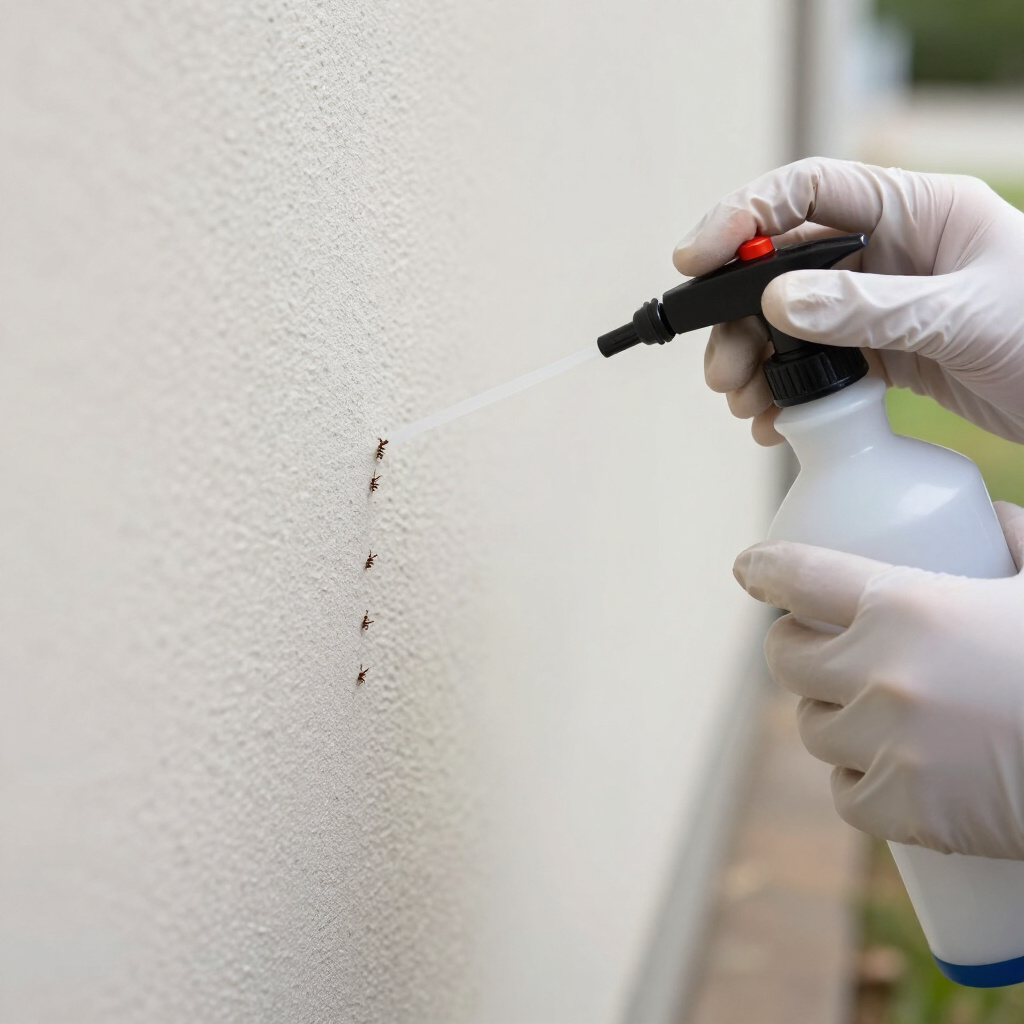

As the seasons change, so do the pests that try to make themselves at home in your house. What keeps ants at bay in July won't necessarily stop mice from seeking shelter in January. A proactive, year-round approach to pest management saves you stress, money, and the unpleasant surprise of discovering an infestation too late. This seasonal pest control checklist helps homeowners stay one step ahead of nature's most persistent invaders—no matter what the calendar says.
Spring Pest Control: Awakening Pests and Early Prevention
Spring pest control is all about intercepting problems before they multiply. As temperatures rise, dormant insects become active and begin breeding cycles that can explode by summer. This is your most critical window for laying groundwork.
Inspect and seal entry points. Walk your home's exterior with fresh eyes. Check for cracks in the foundation, gaps around utility lines, torn window screens, and damaged door sweeps. A mouse needs only a quarter-inch opening—caulk and steel wool are your best friends here.
Address moisture issues. Spring rains create ideal conditions for termites, carpenter ants, and millipedes. Clean gutters, extend downspouts away from your foundation, and fix any leaky outdoor faucets. Inside, run dehumidifiers in basements and crawl spaces.
Clear winter debris. Leaf litter, stacked firewood, and overgrown vegetation touching your home provide bridges and harborage for pests. Maintain a six-inch clearance between soil and siding, and store firewood at least twenty feet from the house.
Schedule a professional inspection. Termite swarms peak in spring across much of the country. An annual inspection catches wood-destroying organisms early, when treatment is simplest and least disruptive.
Summer Pest Control: Peak Activity and Outdoor Defense
Summer brings the pests everyone notices—mosquitoes buzzing at barbecues, wasps building nests under eaves, ants marching across kitchen counters. The heat drives insects to seek food, water, and cooler microclimates, often inside your air-conditioned home.
Maintain your yard strategically. Mow regularly and trim vegetation to reduce tick and flea habitat. Eliminate standing water in birdbaths, plant saucers, and clogged gutters—mosquitoes breed in as little as a bottlecap's worth of water. Consider beneficial plantings like lavender, marigolds, and citronella near entertaining areas.
Protect food indoors and out. Keep ripe fruit refrigerated, wipe down sticky jars, and store pantry goods in sealed containers. Outside, clean grills after use and don't leave pet food bowls out overnight. Garbage bins need tight-fitting lids and regular cleaning.
Monitor for stinging insects. Paper wasps, yellowjackets, and hornets build nests rapidly in summer. Early morning inspections of eaves, sheds, and play structures let you address small nests before they become dangerous colonies requiring professional removal.
Don't ignore early ant trails. That single line of ants signals a colony nearby. Bait stations work slowly but eliminate the source—sprays alone scatter the problem and often make it worse.
Fall Pest Control: The Invasion Season Begins
Fall is when pests most urgently seek winter shelter. Rodents, box elder bugs, stink bugs, and cluster flies all recognize shortening days and dropping temperatures as their cue to move indoors.
Perform another exterior seal-up. The seals you verified in spring may have shifted or degraded. Pay special attention to garage door bottoms, chimney caps, and vent covers. Install door sweeps if missing, and repair torn screens before you close windows for the season.
Remove outdoor attractants. Fallen fruit, acorns, and birdseed draw rodents close to your foundation. Rake thoroughly, secure compost bins, and switch to squirrel-proof feeders positioned away from the house.
Inspect the attic and basement. These quiet, undisturbed spaces attract overwintering pests. Look for droppings, gnaw marks, and nesting materials. Store holiday decorations in plastic bins rather than cardboard, which silverfish and rodents readily destroy.
Consider perimeter treatment. A professional barrier application around your home's foundation intercepts crawling insects before they find entry points. Timing this for early fall maximizes protection through the critical invasion period.
Winter Pest Control: Hidden Threats in the Quiet Months
Winter lulls many homeowners into complacency, but pests that established themselves in fall are now active inside your walls, basement, or attic. Meanwhile, warm spells can trigger unexpected activity.
Maintain vigilance indoors. Continue regular cleaning, especially in kitchens where crumbs sustain surviving populations. Inspect under sinks for leaks—cockroaches and silverfish need water more than food. Check pantries for Indian meal moths and weevils, which can arrive in purchased grains and proliferate unnoticed.
Listen and watch for rodents. Scratching in walls at night, droppings in cabinets, or gnawed packaging signal mice or rats. Snap traps placed along walls with the trigger toward the baseboard catch them efficiently. Multiple catches suggest a larger problem requiring professional intervention.
Manage indoor humidity. Dry winter air drives some pests, but over-humidified homes attract others. Keep relative humidity between 30-50 percent to discourage dust mites, silverfish, and mold-feeding insects.
Plan ahead for spring. Use winter's slower pace to research pest control providers, read reviews, and schedule your annual termite inspection. Being on the books early ensures preferred timing when spring demand surges.
Key Tips for Year-Round Success
Certain practices transcend any single season. Integrating these habits makes your seasonal efforts far more effective.
Practice integrated pest management (IPM). This approach prioritizes prevention, monitoring, and targeted intervention over blanket pesticide applications. It protects your family, pets, and local pollinators while solving problems at their source.
Keep detailed records. Note when you observe specific pests, what conditions preceded their appearance, and which control measures worked. Patterns emerge over time that help you anticipate and prevent future issues.
Know when to call professionals. DIY methods handle minor, isolated problems. But recurring infestations, wood-destroying organisms, stinging insect nests in hazardous locations, and any pest issue causing significant stress warrant expert help. Reputable companies guarantee their work and use treatments appropriate for your specific situation.
Communicate with neighbors. Pests don't respect property lines. Coordinated efforts on shared walls, alleyways, or green spaces multiply everyone's effectiveness. This proves especially valuable for mosquitoes, rodents, and termites.
Final Thoughts
Effective seasonal pest control isn't about reacting to crises—it's about building habits that keep your home uninviting to pests year-round. Each season offers specific opportunities to strengthen your defenses and address vulnerabilities before they become entry points. By following this checklist, you protect not just your property value but your family's comfort and health. The small investments of time and attention each season pay dividends in peaceful, pest-free living. When in doubt, partner with a trusted professional who can tailor recommendations to your home's unique construction, location, and pest pressures. Your future self, relaxing in a quiet, pest-free home, will thank you.