
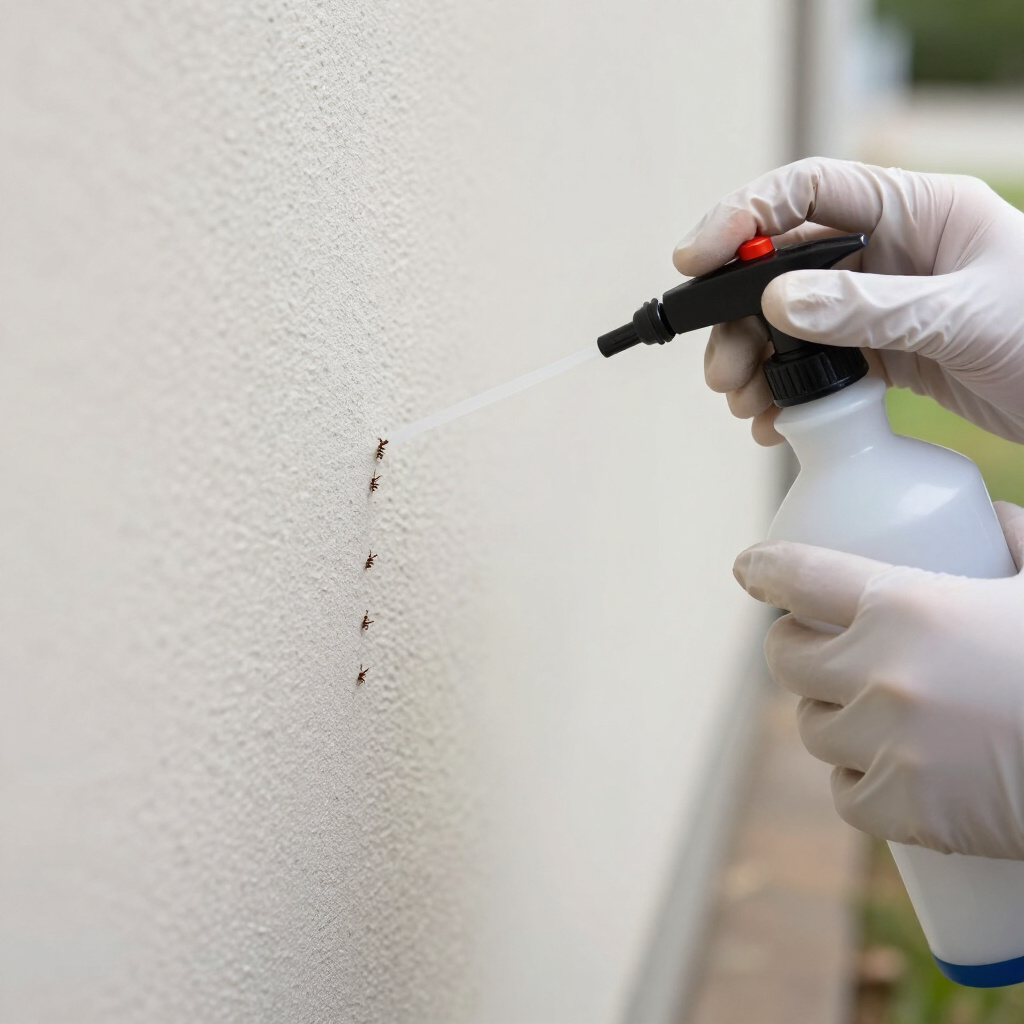

Few things make homeowners more uneasy than suspecting unwanted guests are scurrying through their walls after dark. Rodents are remarkably secretive creatures, often remaining hidden for weeks or even months before their presence becomes undeniable. Learning to recognize the early warning signs of a rodent infestation can save you from costly damage, protect your family's health, and help you act before a small problem explodes into a full-blown invasion.
Common Signs of a Rodent Infestation to Watch For
The most reliable indicators of mice or rats in your home often appear in places you rarely look. Start your inspection in the kitchen, pantry, and basement—areas where food sources and shelter converge. Droppings are typically the first red flag homeowners notice. Mouse droppings resemble small, dark grains of rice, while rat droppings are larger, capsule-shaped, and blunt at both ends. You'll find them concentrated along baseboards, inside cabinets, beneath sinks, and near food storage areas. Fresh droppings are dark and moist; older ones become gray and crumbly.
Gnaw marks tell another important story. Rodents must constantly chew to keep their ever-growing incisors manageable. Look for rough, jagged edges on wooden trim, furniture legs, cardboard boxes, and even electrical wiring—a particularly dangerous habit that causes an estimated quarter of house fires with unknown origins. Unlike insects that leave smooth, precise holes, rodents create irregular chew patterns with visible tooth marks.
Pay attention to sounds during the quiet hours. Scratching in walls, scurrying across ceilings, and squeaking from hidden spaces often intensify at dusk and dawn when rodents are most active. A single mouse can make surprisingly loud noise, so don't dismiss occasional sounds as "just the house settling."
Where Rodents Hide and What They Leave Behind
Understanding rodent behavior helps you spot subtle evidence you might otherwise miss. These creatures prefer traveling along edges rather than crossing open spaces, so inspect the perimeter of rooms where walls meet floors. Grease marks, called rub marks, appear as dark smudges along baseboards and pipes where oily fur repeatedly contacts the same surface. The more established the infestation, the darker and more pronounced these marks become.
Nesting materials scattered in unusual locations indicate active breeding. Rodents shred paper, fabric, insulation, and dried plant matter to create warm, hidden nurseries. Discovering these collections behind appliances, inside wall voids, or in unused drawers suggests mice or rats have begun establishing territory. A single female mouse can produce up to ten litters annually, so early nest discovery is critical for control.
Track prints and tail drag marks may appear in dusty areas like utility rooms, attics, and crawl spaces. To confirm recent activity, sprinkle a thin layer of flour or talcum powder along suspected pathways and check for fresh prints the following morning. You can also inspect food packaging for holes, tears, or contamination—rodents leave behind chewed corners and scattered crumbs that attract other pests.
Unpleasant odors often develop before visual confirmation. A persistent musty, ammonia-like smell permeates areas with heavy rodent traffic. In confined spaces, you might detect the sickly-sweet odor of a deceased animal, which requires immediate attention for sanitation and to prevent secondary pest problems.
Key Tips for Confirming and Documenting Activity
When you suspect rodent presence, systematic documentation strengthens your case for professional intervention and helps track control progress. Photograph droppings, damage, and rub marks with timestamps. Note when and where you hear activity, as patterns reveal entry points and travel routes.
Perform a thorough exterior inspection simultaneously. Rodents exploit remarkably small gaps—mice squeeze through holes the diameter of a dime, while rats need only a quarter-sized opening. Check foundation cracks, gaps around utility penetrations, damaged vent screens, and spaces beneath garage doors. Overhanging tree branches provide highway access to roofs, where missing shingles or damaged soffits create entry opportunities.
Store food in sealed glass or heavy plastic containers rather than cardboard or thin plastic bags that rodents easily penetrate. Eliminate water sources by repairing leaky faucets and ensuring proper drainage. Reduce clutter in storage areas where rodents nest undisturbed. These environmental modifications support any control efforts and help prevent reinfestation.
Consider whether seasonal factors contribute to your situation. Rodent activity often spikes in autumn as cooling temperatures drive them toward warm structures, and again in late winter when stored food depletes. Recognizing these patterns helps you implement preventive measures before pressure increases.
Final Thoughts
Recognizing the signs of a rodent infestation early transforms a potentially overwhelming problem into a manageable situation. The longer mice or rats remain undisturbed, the more extensive their damage, contamination, and reproduction becomes. Trust your instincts—if something feels off in your home, investigate thoroughly rather than hoping the problem resolves itself.
While DIY trapping captures occasional intruders, established infestations require professional expertise to eliminate all individuals, identify and seal entry points, and implement strategies that prevent return. The investment in qualified pest control protects your property value, preserves your peace of mind, and safeguards the health of everyone under your roof. When you notice multiple warning signs or evidence in several areas, reaching out for professional assessment represents the wisest course of action for lasting resolution.