
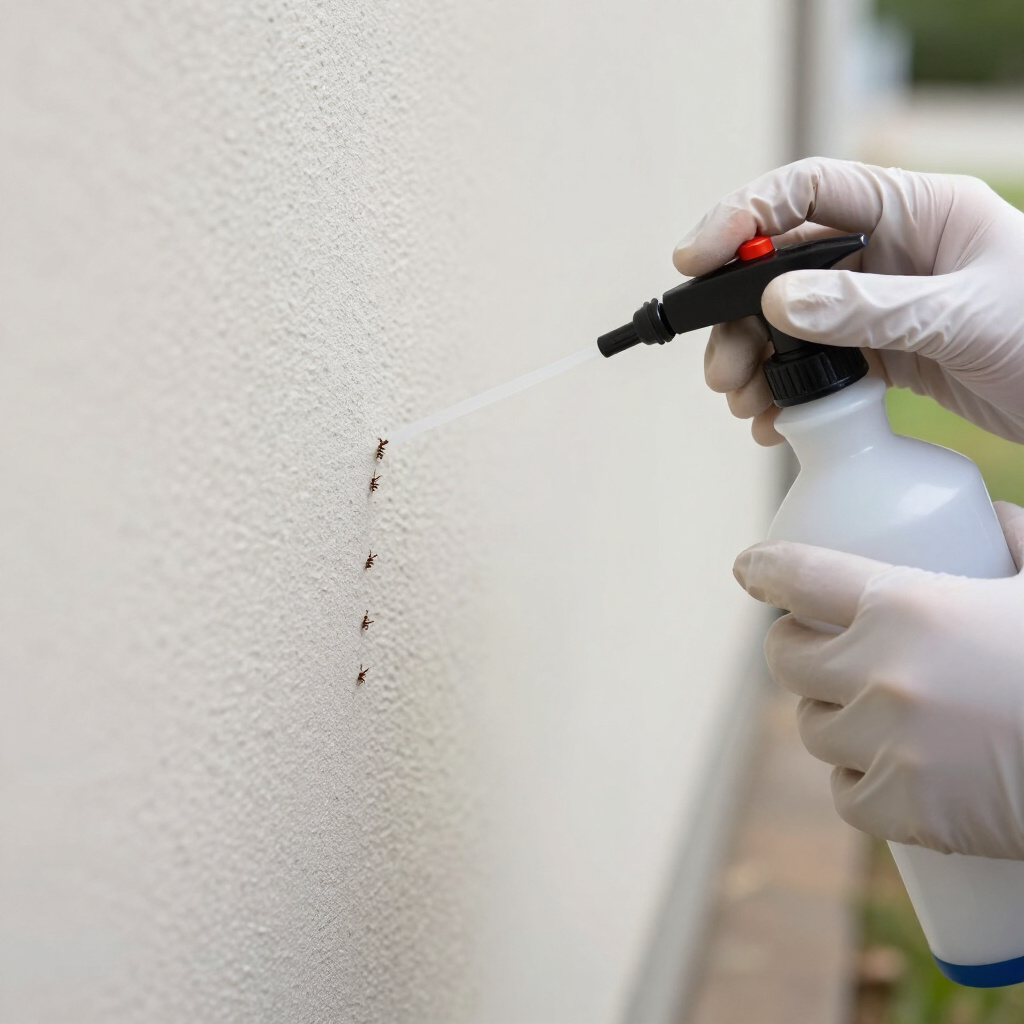

Termites are often called "silent destroyers" for good reason. These tiny pests can chew through wood, flooring, and even wallpaper undetected for months or years, causing thousands of dollars in damage before homeowners ever realize there's a problem. The key to protecting your biggest investment is knowing what to look for. In this guide, we'll walk you through the most common warning signs that termites may have moved into your home—so you can act quickly before the damage becomes catastrophic.
Signs You May Have Termites in Your Home
Spotting termites early can mean the difference between a manageable treatment and extensive structural repairs. Here are the most telling indicators that these destructive insects have taken up residence on your property.
Mud tubes on exterior walls. Subterranean termites—the most common type in the United States—build pencil-width tunnels from soil, wood particles, and saliva to travel between their underground colony and their food source. These mud tubes typically appear on foundation walls, crawl spaces, or exterior surfaces and serve as protected highways that keep termites moist and hidden from predators. Break open a tube and you may see active workers; if the tube is rebuilt within a day or two, you have an active infestation.
Hollow-sounding or damaged wood. Tap on wooden structures throughout your home, especially in basements, crawl spaces, and near the foundation. If the wood sounds hollow or papery, termites may have eaten through the interior, leaving only a thin veneer of paint or surface wood intact. Probe suspicious areas gently with a screwdriver—severely damaged wood will give way easily and may reveal a honeycomb pattern of tunnels inside.
Discarded wings near windows and doors. Swarming termites shed their wings after mating flights, often leaving piles of translucent, equal-sized wings on windowsills, door frames, or caught in spider webs. Unlike ant wings, termite wings are all the same length and have a distinctive veined appearance. Finding these wings indoors is one of the most reliable signs you may have termites establishing a colony inside your home.
Frass: termite droppings. Drywood termites push their fecal pellets out of small kick holes in the wood they're infesting. These tiny, hexagonal pellets accumulate in small piles and resemble coarse sawdust or coffee grounds. The color varies depending on the wood being consumed but often appears as dark brown or black granules. Unlike sawdust from construction, frass is uniform in shape and size and will reappear after cleaning.
Buckling or bubbling paint and wallpaper. As termites consume wood and create moisture within walls, the resulting humidity can cause paint to bubble, peel, or discolor. Wallpaper may loosen or develop ripples. While these symptoms can also indicate water damage, they're worth investigating—especially when accompanied by other warning signs on this list.
Sagging floors and ceilings. Advanced termite damage compromises the structural integrity of load-bearing wooden elements. You might notice floors that feel springy or squeaky, doors that stick in their frames, or ceilings that appear to sag slightly. These changes often develop gradually enough that homeowners adapt to them without recognizing the underlying cause.
Head-banging sounds in walls. Soldier termites bang their heads against tunnel walls or shake their bodies to signal danger to the colony. This creates a faint clicking or rustling sound, most audible at night when the house is quiet. While subtle, these sounds can alert attentive homeowners to hidden activity behind walls.
Where Termites Hide and How to Inspect
Understanding termite behavior helps you know where to look. Subterranean termites require soil contact and moisture, so they typically enter through foundation cracks, crawl spaces, or where wood touches soil. Inspect these areas regularly: crawl space supports, wooden deck posts, exterior door frames, garage framing, and any woodpile stored against your home.
Drywood termites, by contrast, need no soil contact and can infest any dry wood in your home. They're particularly fond of attic framing, exposed beam ends, window and door frames, and wooden furniture. In warmer climates, they're especially active in upper stories and attics where temperatures rise.
Conduct a thorough inspection at least twice yearly, ideally in spring when swarming activity peaks. Use a flashlight and flathead screwdriver to probe suspicious areas. Document any changes with photos so you can track progression over time. Pay special attention after periods of heavy rain, which can drive termites to seek new food sources and expand their foraging range.
Key Tips for Protecting Your Home
Prevention and early detection form your best defense against costly termite damage. Start by eliminating conditions that attract termites: maintain at least six inches of clearance between soil and any wooden siding or structural elements, ensure proper drainage away from your foundation, and repair leaking faucets or gutters promptly. Remove dead trees, stumps, and stored lumber from your property, as these serve as bridgeheads for colony expansion.
Consider scheduling professional inspections annually, even if you see no obvious signs you may have termites. Licensed pest control technicians have specialized training, moisture meters, thermal imaging cameras, and other tools that detect hidden activity invisible to untrained eyes. They can also identify vulnerable conditions you might overlook and recommend targeted prevention strategies for your specific home and region.
If you discover active termites, resist the urge to treat the problem yourself. Over-the-counter sprays and baits often scatter colonies without eliminating them, making professional treatment more difficult and expensive later. Instead, contact a reputable pest control company immediately. They can determine the termite species, assess the extent of infestation, and recommend appropriate treatment—whether that's soil-applied termiticides, bait systems, localized wood treatments, or fumigation for widespread drywood infestations.
Final Thoughts
Termites cause more property damage annually than fires and storms combined, yet standard homeowners insurance rarely covers the destruction they leave behind. This makes vigilance essential for every homeowner. By learning to recognize the signs you may have termites—from mud tubes and discarded wings to hollow wood and mysterious sawdust piles—you position yourself to catch infestations in their earliest, most treatable stages.
Remember that termites work slowly but relentlessly. A few weeks of delay rarely changes the outcome dramatically, but years of unnoticed activity can require extensive reconstruction. Trust your observations, act promptly on suspicious findings, and build a relationship with a qualified pest professional who can protect your home for the long term. Your future self—and your home's structural integrity—will thank you.