
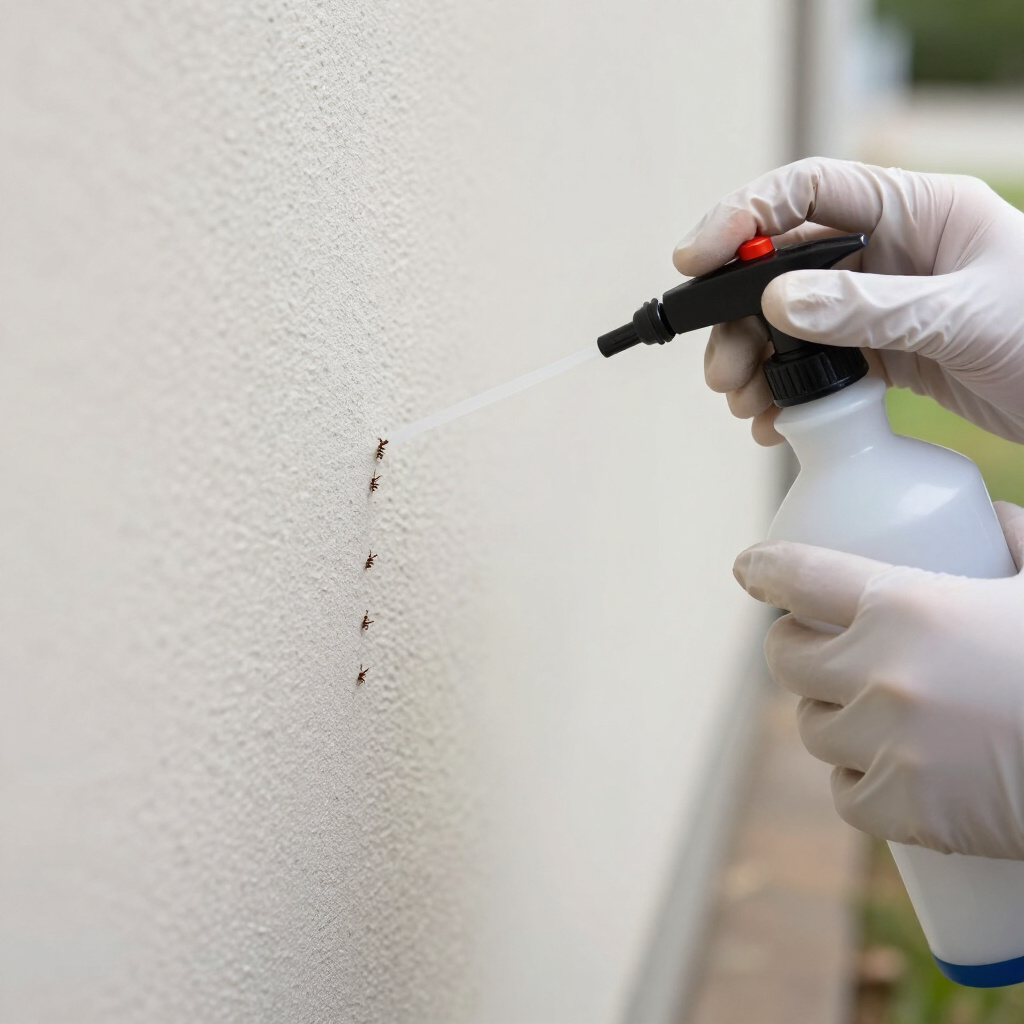
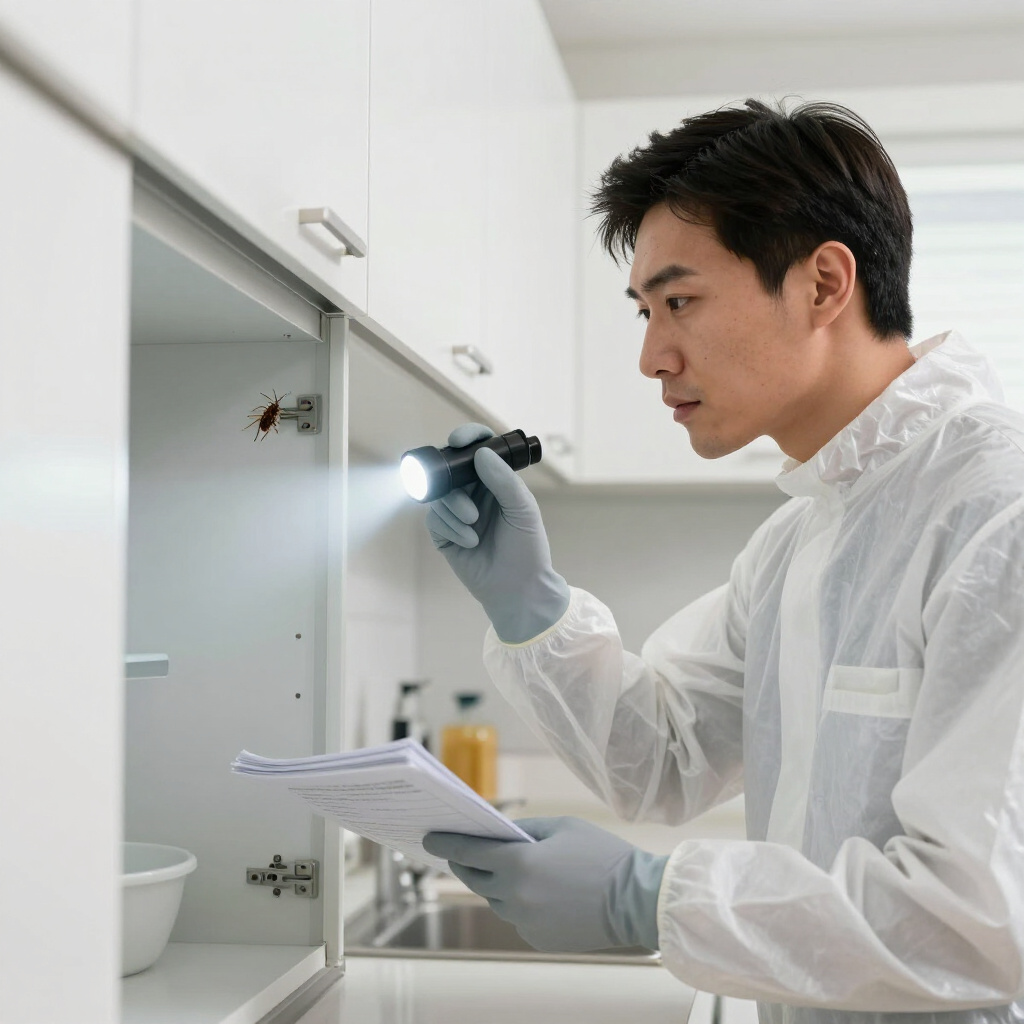
Discovering a pest in your home can send anyone into a panic. Whether it's a trail of ants in the kitchen or mysterious scratching sounds in the walls, knowing when to handle the situation yourself and when to call in reinforcements can save you time, money, and a great deal of stress. While store-bought solutions work for occasional visitors, certain signs indicate it's time to bring in a pest control professional who has the training, tools, and expertise to resolve the problem safely and thoroughly.
When to Call a Pest Control Professional
Recognizing the right moment to seek expert help is crucial for protecting your home and family. One clear indicator is the persistence of the problem despite your best efforts. If you've tried sprays, traps, or natural remedies and the pests keep returning, you're likely dealing with a larger infestation than surface-level treatments can address. Pests such as cockroaches, rodents, and termites reproduce rapidly, and what starts as a minor nuisance can escalate into a full-blown invasion within weeks.
Another critical signal is the presence of pests that pose health risks. Rodents carry diseases like hantavirus and salmonella, while cockroaches can trigger asthma and allergies, particularly in children. If anyone in your household experiences unexplained allergic reactions or respiratory issues, a hidden pest problem could be the culprit. A pest control professional can identify the source, eliminate the threat, and implement preventive measures to protect your family's wellbeing.
Structural damage is another red flag that demands immediate professional attention. Termites alone cause billions of dollars in property damage annually, often going unnoticed until significant harm has occurred. Sagging floors, hollow-sounding wood, mud tubes on foundation walls, or discarded insect wings near windowsills all suggest active termite colonies. Similarly, carpenter ants leave behind sawdust-like frass and create galleries in wooden structures. These situations require specialized equipment and treatment methods that only trained professionals can provide safely and effectively.
Signs of Hidden Infestations You Might Miss
Many pest problems develop out of sight, making them particularly dangerous. Unusual odors, especially musty or ammonia-like smells, can indicate rodent activity in walls, attics, or crawl spaces. Grease marks along baseboards or tiny dark droppings in pantry corners suggest mice or rats are traveling through your home regularly. You might also hear scratching, scurrying, or gnawing sounds at night when these nocturnal creatures are most active.
Insect infestations have their own subtle warning signs. Bed bugs leave rust-colored stains on bedding and tiny shed skins in mattress seams. Carpenter bees create perfectly round holes in untreated wood, while powderpost beetles reduce hardwood to fine powder. These indicators often escape notice until substantial damage occurs. A pest control professional conducts thorough inspections using moisture meters, thermal imaging, and borescope cameras to detect activity in areas homeowners rarely examine.
Moisture problems frequently attract pests and compound existing infestations. Silverfish, springtails, and certain ant species thrive in damp environments. If you've noticed peeling wallpaper, water stains, or persistent condensation, pests may already be established in these compromised areas. Professionals don't just eliminate the visible pests—they identify and address underlying conditions that sustain infestations.
Situations That Always Require Professional Intervention
Certain scenarios should never be handled without expert assistance. Stinging insect nests, including wasps, hornets, and yellowjackets, present serious injury risks, especially for individuals with allergies. Attempting DIY removal often provokes aggressive defensive behavior from the colony. Professionals possess protective equipment and precise application techniques to eliminate these threats safely.
Wildlife intrusions similarly demand specialized expertise. Raccoons, squirrels, bats, and skunks require careful, humane removal that complies with local regulations. Improper handling can result in bites, scratches, or exposure to rabies. Additionally, these animals often enter through vulnerable points in roofing or siding that professionals can identify and secure against future entry.
Commercial properties face unique pressures that necessitate professional pest management. Food service establishments, healthcare facilities, and hotels must maintain strict compliance with health codes. Even a single pest sighting can trigger failed inspections, fines, or reputational damage. Scheduled professional services provide documentation and proactive protection that DIY approaches cannot match.
Key Tips for Choosing and Working With a Professional
Selecting the right pest control professional ensures you receive effective, responsible service. Start by verifying licensing and insurance requirements in your state, and ask potential providers about their technicians' training and certification. Reputable companies welcome these questions and explain their integrated pest management approaches, which emphasize prevention and minimal chemical use.
Request detailed inspection reports that identify pest species, infestation extent, contributing conditions, and customized treatment options. Be wary of providers who offer quotes without examining your property or who pressure you into long-term contracts without clear justification. Transparent communication about treatment methods, expected outcomes, and follow-up procedures distinguishes trustworthy professionals from those cutting corners.
Prepare your home before scheduled visits by clearing access to problem areas, securing food and pet supplies, and noting when and where you've observed pest activity. This information helps technicians target their efforts efficiently. After treatment, follow all recommendations regarding ventilation, cleaning, and monitoring. Many companies offer guarantees or return visits if pests persist, so understand these policies upfront.
Between professional services, maintain vigilant prevention habits. Seal cracks and gaps around utility lines, windows, and doors. Store food in airtight containers and address moisture issues promptly. Keep landscaping trimmed back from your foundation, and eliminate standing water where mosquitoes breed. These practices extend the effectiveness of professional treatments and reduce the likelihood of future infestations.
Final Thoughts
Knowing when to call a pest control professional empowers you to protect your home proactively rather than reactively. Persistent problems, health-threatening pests, structural damage, and hidden infestations all warrant expert intervention. While DIY methods have their place, professional expertise becomes essential when safety, significant investment, or complex conditions are involved. By recognizing warning signs early and partnering with qualified professionals, you can resolve current issues thoroughly and build lasting defenses against future invaders. Your home deserves nothing less than complete, confident protection.