
Pest Control Services in Atlantic Beach, FL
Atlantic Beach sits on a narrow barrier island in Duval County, surrounded by the Atlantic Ocean, the Intracoastal Waterway, and tidal marshes. This coastal environment creates ideal breeding conditions for pests that thrive in humidity and salt air. Residents here face unique challenges that inland Florida communities simply don't experience at the same intensity.
Our pest control programs for Atlantic Beach properties account for the constant moisture, sandy soils, and abundant wildlife corridors. We treat single-family homes along Ocean Boulevard, condominiums near Beaches Town Center, and waterfront properties along the marsh edges. Each location demands a tailored approach based on its specific exposure to coastal elements.
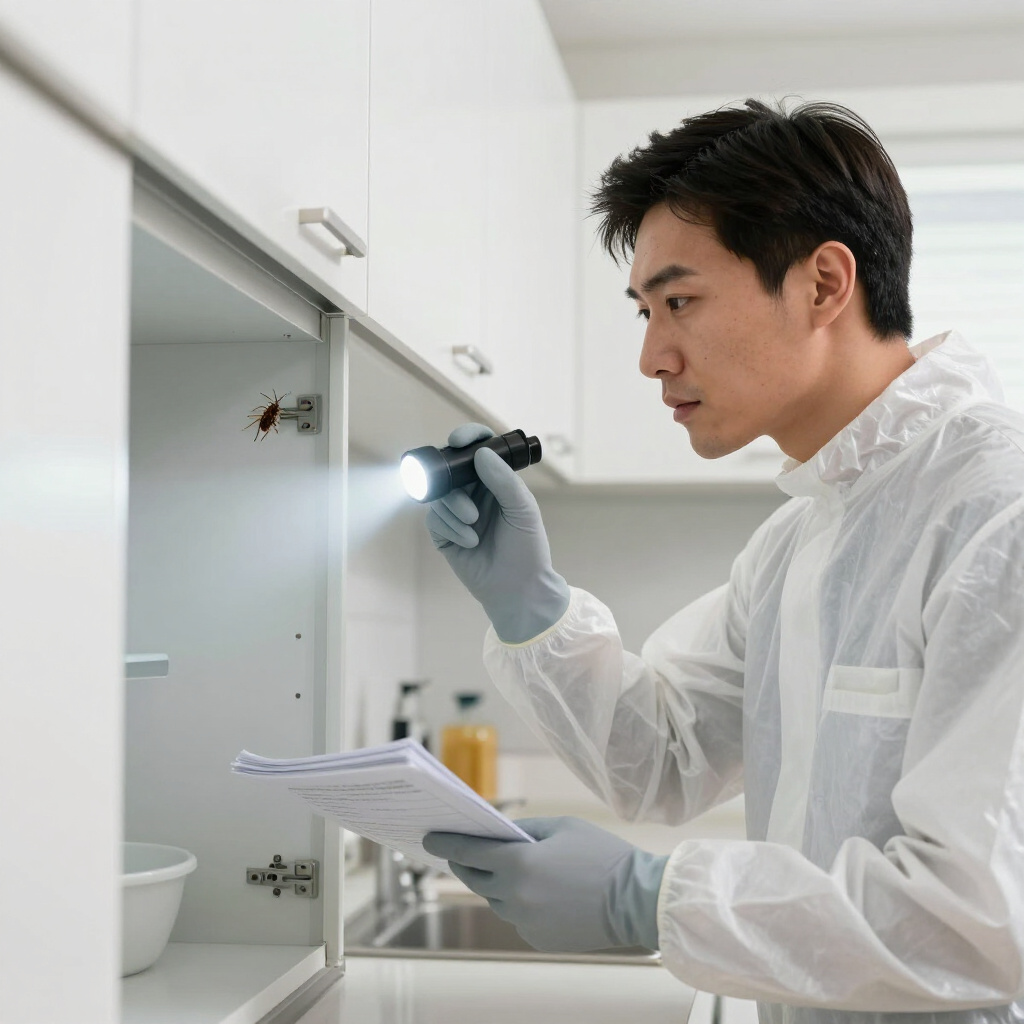
Termites rank among the most destructive threats in Atlantic Beach. Subterranean termites flourish in the damp, sandy conditions beneath homes, while drywood termites establish colonies directly in structural wood without ground contact. Our termite inspections use moisture meters and thermal imaging to detect activity before visible damage appears. We install liquid barrier treatments and baiting systems designed for coastal soil chemistry.
Mosquito pressure peaks from April through October, with salt marsh mosquitoes emerging after high tides and summer rains. Our integrated mosquito management targets breeding sites in standing water, applies larvicides to non-flowing areas, and provides barrier treatments for outdoor living spaces. This approach proves essential for homes backing up to marshland or with poor yard drainage.
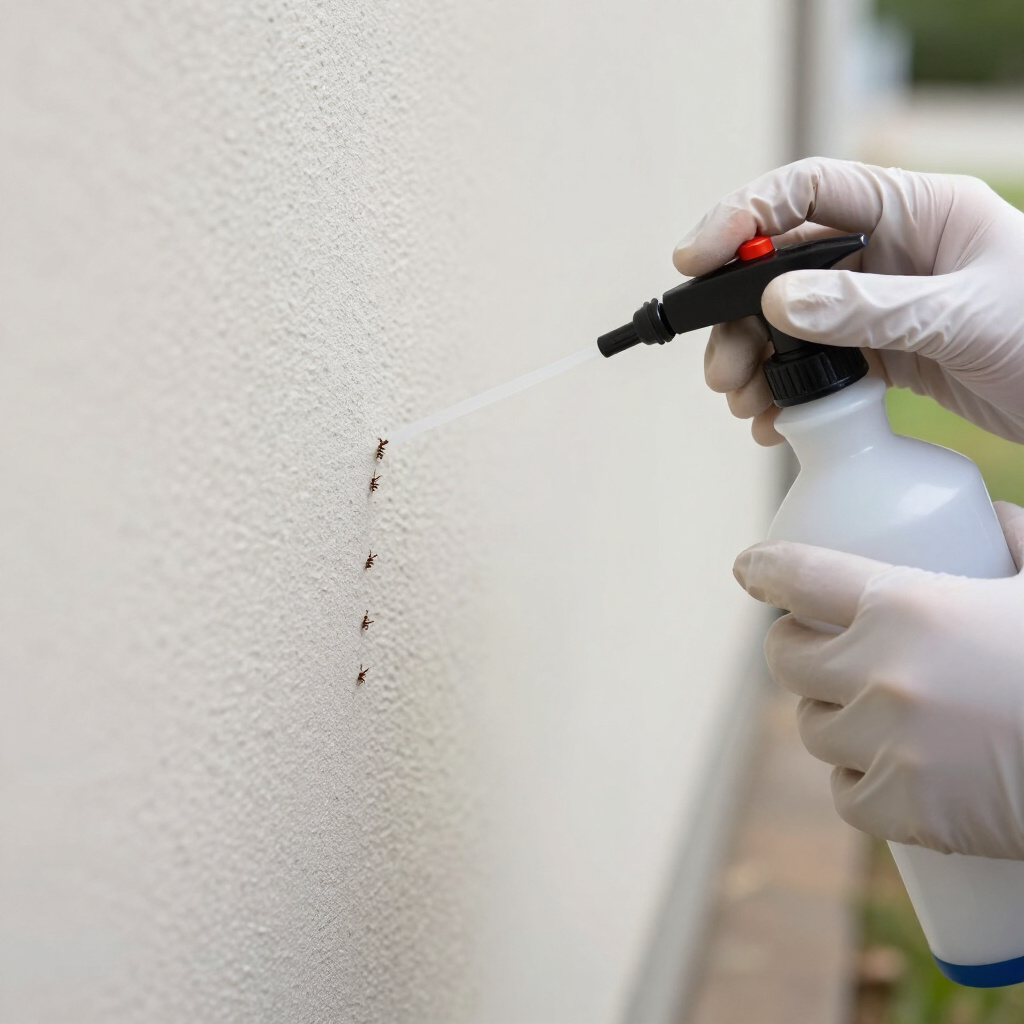
Ant control requires species-specific strategies in Atlantic Beach. Ghost ants and white-footed ants invade kitchens seeking moisture during dry spells, while fire ants build mounds in sunny, sandy patches. Carpenter ants nest in moisture-damaged wood, often indicating hidden leaks in ocean-exposed structures. We identify the species before treatment to ensure effective, lasting results.
Roach infestations in Atlantic Beach frequently involve American cockroaches entering from sewer systems and palm trees, plus German cockroaches hitchhiking in deliveries. Coastal humidity accelerates their reproductive cycles. Our treatments combine harborge elimination, growth regulators, and targeted applications to break infestation cycles.
Wildlife and stinging insects present additional concerns. Raccoons, opossums, and roof rats exploit oceanfront homes with aging soffits or unscreened vents. Paper wasps and yellow jackets build nests under decks, in boat lifts, and within dune-crossover structures. We provide humane wildlife exclusion and wasp nest removal with preventive sealing.
Seasonal pest patterns shift dramatically in Atlantic Beach. Spring brings swarming termites and increasing ant activity. Summer delivers peak mosquito populations and palmetto bug sightings. Fall sees rodents seeking shelter ahead of cold fronts. Winter spider activity rises as insects move indoors. Our year-round protection plans adjust treatments to match these predictable cycles.
Frequently Asked Questions About Pest Control in Atlantic Beach
How does coastal salt air affect pest control treatments in Atlantic Beach?
Salt air accelerates degradation of some conventional pesticides, reducing their effective lifespan on exterior surfaces. We select formulations specifically rated for coastal corrosion resistance and apply them with proper adhesion techniques. Bait systems and in-ground termite treatments use corrosion-resistant components. Our technicians re-treat exterior barriers more frequently than inland locations—typically every 60-90 days versus 90-120 days—to maintain protective concentrations despite salt spray exposure.
Why are mosquitoes worse in Atlantic Beach compared to inland Jacksonville?
Atlantic Beach contains extensive salt marsh habitat that produces mosquitoes not found inland. The black salt marsh mosquito and the eastern salt marsh mosquito lay eggs in moist soil above normal tide lines; these eggs hatch when flooded by spring tides or rainfall. A single high tide can trigger mass emergence. Additionally, the cooling sea breeze often concentrates mosquitoes on the leeward sides of homes and in sheltered courtyards where air movement is minimal. Our treatments focus on these predictable breeding zones and sheltered resting areas.
Do I need different termite protection for a beachfront versus a canal-front home?
Beachfront homes face higher wind-driven rain exposure and sand accumulation that can bury termite barriers, while canal-front properties deal with tidal groundwater fluctuations and organic debris buildup. Beachfront structures often require more frequent inspection of the ocean-facing foundation and may need specialized non-repellent termiticides that termites cannot detect. Canal homes benefit from elevation-aware baiting systems and vigilant monitoring of dock pilings and bulkheads, which termites use as bridge points to reach the main structure. We assess each property's specific water exposure before recommending a protection strategy.
What pests should new Atlantic Beach homeowners prioritize after moving from a northern climate?
New residents from cooler climates typically underestimate termite risk, Florida's year-round roach pressure, and the intensity of mosquito seasons. Priority one should be a professional termite inspection and preventive treatment, as Florida's termite species cause damage faster than northern varieties. Second, establish ongoing pest management before roach or ant populations establish, since Florida's climate allows continuous reproduction. Third, address yard drainage and standing water immediately—what seems like minor pooling after a rain becomes a mosquito factory within days. Finally, inspect and seal all attic and crawl space vents, as coastal wildlife exploits these entry points more aggressively than in northern states.