

Professional Pest Control Services in Bay Harbor Islands
Bay Harbor Islands sits on two islands in northern Miami-Dade County, surrounded by Biscayne Bay on three sides. This waterfront location creates ideal conditions for pests that thrive in humid, coastal environments. Salt-tolerant species, moisture-seeking insects, and rodents drawn to dense residential development all present ongoing challenges for property owners here.
The town's mid-century modern homes and newer condominium buildings each face distinct pest pressures. Older structures may harbor hidden termite activity in original wood framing, while high-rise buildings contend with cockroach migration between units and German roach introductions through resident turnover. Our technicians understand how Bay Harbor Islands' geography, building stock, and tropical climate intersect to produce unique infestation patterns requiring specialized approaches.
Proximity to the water means mosquito pressure remains elevated throughout the warmer months, particularly in properties with landscaping that collects rainfall. Ant species including ghost ants, big-headed ants, and Caribbean crazy ants frequently establish multiple colonies across residential lots, making perimeter-focused treatments essential for lasting relief.
Our Pest Control Services in Bay Harbor Islands
We provide comprehensive pest management solutions calibrated for Bay Harbor Islands' coastal conditions:
Termite Control & Prevention
Subterranean termites, including the especially destructive Formosan variety, remain active year-round in this climate. We conduct thorough inspections using moisture meters and thermal imaging to detect concealed activity in walls, crawl spaces, and slab foundations. Treatment options include liquid barrier applications, baiting systems, and localized foam treatments for active infestations.
Rodent Exclusion & Management
Roof rats frequently access attics and soffits through palm frond contact points and unsealed roof penetrations. Our programs combine trapping, exterior bait stations positioned away from water features, and structural exclusion to prevent reinvasion. We pay particular attention to dock areas and boathouses where rodents travel along mooring lines.
Mosquito Reduction Programs
Monthly treatments during peak season target adult resting sites and larval habitats in ornamental bromeliads, clogged gutters, and landscape drainage. In2Care stations provide ongoing population suppression between service visits.
General Pest Protection
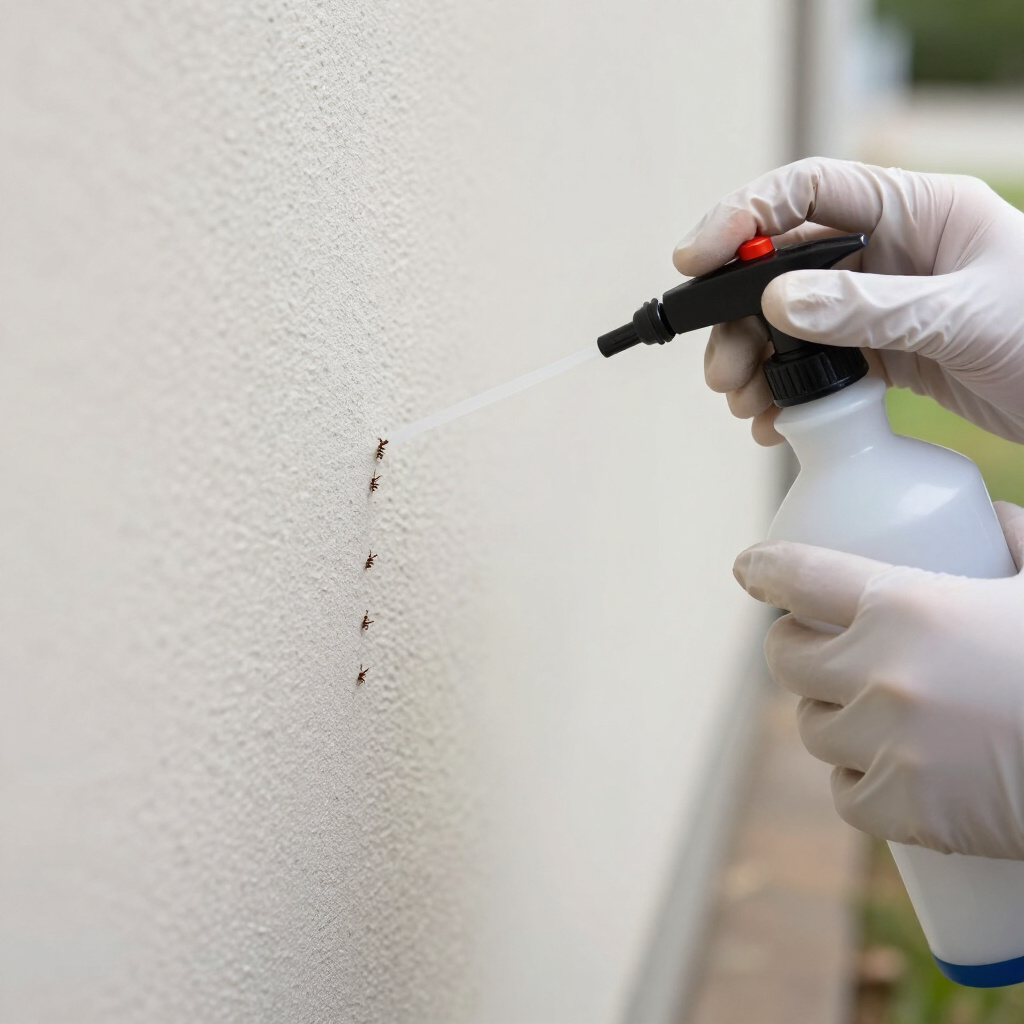
Scheduled perimeter treatments manage cockroaches, ants, spiders, silverfish, and occasional invaders. We select products rated for coastal application and adjust treatment timing around tidal patterns and rainfall forecasts.
What to Expect: Pest Control Costs in Bay Harbor Islands
Pest control pricing in Bay Harbor Islands varies with property type, infestation severity, and service frequency. Single-family homes on East and West Islands typically require more extensive exterior treatment than condominium units, though high-rise buildings may need specialized application equipment.
General pest prevention for an average single-family residence generally ranges from $85 to $150 per quarterly visit, with monthly service during peak season running $45 to $75 for homes with active ant or roach pressure. Termite protection through baiting systems typically involves initial installation between $1,200 and $2,500 plus annual monitoring fees of $250 to $400. Liquid termite treatments for established colonies range from $800 to $3,000 depending on foundation type and structure size.
Rodent control programs start around $350 for initial inspection, trapping, and exclusion work, with ongoing maintenance plans available. Mosquito season packages generally run $65 to $125 monthly from April through October. We provide detailed written estimates following inspection, with no obligation to proceed.
Areas We Serve in and Around Bay Harbor Islands
Our service coverage extends throughout Bay Harbor Islands including both East Island and West Island neighborhoods, from the residential streets near Broad Causeway to the condominium corridors along Kane Concourse. We also serve surrounding communities across northern Miami-Dade County.
Bay Harbor Islands Neighborhoods
- East Island residential district
- West Island single-family homes
- Kane Concourse corridor
- Broad Causeway vicinity
Nearby Communities We Serve
- Surfside
- North Miami
- North Bay Village
- Miami Shores
- North Miami Beach
- Sunny Isles Beach
Frequently Asked Questions About Pest Control in Bay Harbor Islands
Are coastal flooding and high tides increasing pest problems in Bay Harbor Islands?
Yes. King tide events and stormwater flooding displace rodents from underground burrows and drive ants, cockroaches, and other pests into homes seeking dry ground. Properties at lower elevations experience heightened activity following significant flooding. We recommend inspecting seals around doors, windows, and utility penetrations before rainy season.
How do I prevent roof rats from accessing my home?
Trim palm fronds and tree branches to maintain at least six feet of clearance from rooflines and soffits. Install rat guards on dock lines and mooring ropes. Seal gaps larger than one-half inch around roof vents, chimney flashing, and soffit intersections. Remove fallen fruit promptly and secure garbage in rodent-resistant containers.
Do termite swarms happen year-round in Bay Harbor Islands?
While peak subterranean termite swarming occurs in spring, Formosan termites and drywood termites may swarm at various times throughout the year in South Florida's warm climate. Any sudden appearance of winged insects, especially near windows or light fixtures, warrants immediate professional identification.
Can pest control treatments harm my waterfront landscaping or dock?
Reputable providers select products formulated for coastal environments and apply them according to label specifications that protect aquatic ecosystems. We use targeted application methods, avoid overspray into water features, and can adjust treatment plans for properties with sensitive native plantings or direct bay access.